The Art of People Photography in Auto Culture

Photography is more than just capturing moments; it’s about telling stories. In the realm of auto culture, where passion meets machinery, people photography plays a crucial role in conveying the emotions and experiences tied to vehicles. Whether it’s the thrill of a race, the camaraderie at a car meet, or the nostalgia of a classic car show, the art of people photography can elevate these moments into something truly special.
Understanding the Essence of Auto Culture
Auto culture is a vibrant tapestry woven from the threads of history, innovation, and community. It encompasses everything from classic car enthusiasts to modern-day tuners and motorsport fans. Understanding this culture is essential for any photographer looking to capture its spirit.
The Diversity of Auto Enthusiasts
Auto culture is not monolithic. It includes:
Classic Car Collectors: Individuals who cherish vintage vehicles and often restore them to their former glory.
Motorsport Fans: Those who live for the adrenaline rush of racing, whether it’s Formula 1, NASCAR, or local drag races.
Custom Builders: Creators who modify cars to reflect personal style and performance needs.
Everyday Drivers: People who simply love their cars and the freedom they represent.
Each group has its own unique stories and emotions, which can be beautifully captured through photography.
The Importance of People in Auto Photography
While cars are often the stars of the show, the people who interact with them bring the images to life. Capturing the emotions, interactions, and stories of these individuals can create a powerful narrative.
Emotional Connections
Cars often symbolize freedom, nostalgia, and identity. By focusing on people, photographers can evoke emotions that resonate with viewers. For example, a close-up of a proud owner standing next to their restored classic car can tell a story of dedication and passion.
Community and Interaction
Auto culture thrives on community. Car meets, shows, and races are social events where enthusiasts gather to share their love for vehicles. Capturing candid moments of interaction—like friends discussing modifications or families enjoying a car show—adds depth to the photography.
Techniques for Capturing People in Auto Culture
To effectively capture the essence of people in auto culture, photographers can employ various techniques.
Use of Composition
Framing is key in photography. Consider using the rule of thirds to position your subjects. For instance, if you’re photographing a car show, place the car off-center and allow the people interacting with it to fill the frame. This creates a dynamic image that tells a story.
Focus on Details
Sometimes, it’s the small details that convey the most emotion. A close-up of a hand resting on a car hood or a child peering into a classic car can evoke feelings of nostalgia and wonder.
Play with Lighting
Natural light can enhance the mood of your photographs. Shooting during the golden hour—shortly after sunrise or before sunset—can create a warm, inviting atmosphere. Experimenting with shadows and highlights can also add depth to your images.
Capturing the Spirit of Events
Auto culture is rich with events that provide excellent opportunities for photography. Here are some key events to consider:
Car Shows
Car shows are a celebration of automotive history and innovation. They attract a diverse crowd, from collectors to casual fans.
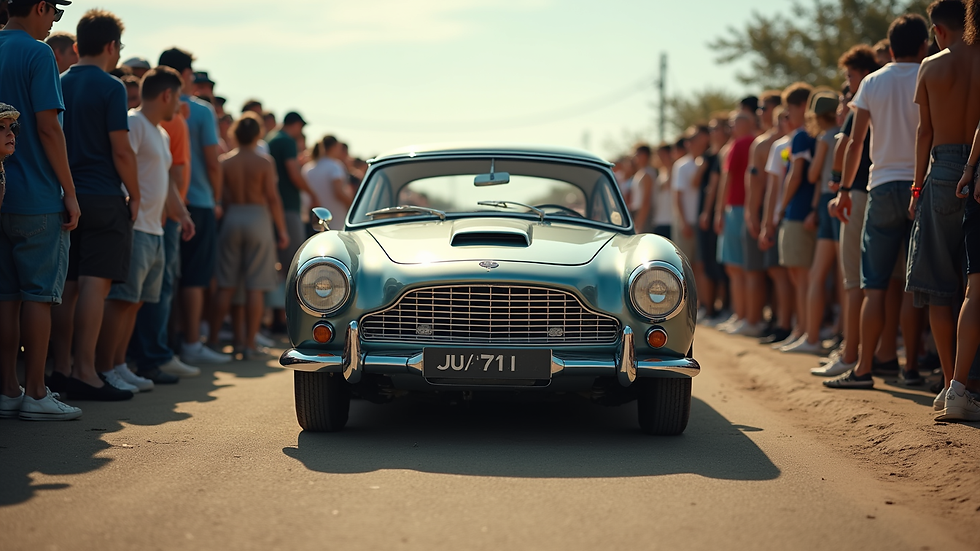
Tip: Capture the excitement of the crowd as they admire the vehicles. Look for moments of awe, laughter, and camaraderie.
Races
Motorsport events are filled with action and emotion. The thrill of competition can be palpable.
Tip: Use burst mode to capture fast-moving subjects. Focus on the drivers’ expressions and the reactions of the crowd to convey the intensity of the race.
Meetups and Gatherings
Local car meets are informal gatherings where enthusiasts share their passion. These events often foster a sense of community.
Tip: Candid shots of conversations and interactions can reveal the friendships formed through a shared love of cars.
Post-Processing for Impact
Once you’ve captured your images, post-processing can enhance their impact.
Color Correction
Adjusting the colors can help convey the mood of the scene. For example, warmer tones can evoke nostalgia, while cooler tones can create a modern feel.
Cropping and Framing
Sometimes, cropping can make a significant difference. Focus on the most compelling elements of your image to create a stronger composition.
Adding Contrast
Increasing contrast can help your subjects stand out against the background, drawing the viewer’s eye to the people and their interactions.
Building a Portfolio
As you develop your skills in people photography within auto culture, consider building a portfolio that showcases your best work.
Curate Your Best Shots
Select images that tell a story and highlight your unique perspective. Aim for a mix of candid shots, posed portraits, and action shots to demonstrate your versatility.
Seek Feedback
Share your portfolio with fellow photographers and enthusiasts to gain constructive feedback. This can help you refine your style and improve your skills.
Share Your Passion
Consider starting a blog or social media account dedicated to your photography. Sharing your work can connect you with others who share your passion for auto culture.
Conclusion
The art of people photography in auto culture is about more than just capturing images; it’s about telling stories and connecting with a vibrant community. By focusing on the emotions, interactions, and experiences of individuals, photographers can create powerful narratives that resonate with viewers.
As you embark on your journey in this exciting field, remember to embrace the diversity of auto culture, experiment with different techniques, and most importantly, have fun. Your passion for photography and cars will shine through in your work, inviting others to share in the joy of this unique culture.
So grab your camera, hit the road, and start capturing the stories waiting to be told in the world of auto culture.


Comments